Is Platinum Better for Rings? A Clear Answer
A ring is worn closer and harder than almost any other piece of jewellery. It catches the light in every gesture, but it also meets daily life head-on - keyboards, shopping bags, steering wheels, hand cream, cold weather, warm skin. That is why the question "is platinum better for rings" is less about trend and more about how you want a piece to live with you.
For some, platinum is the ideal choice. For others, gold is the better fit aesthetically, practically, or emotionally. The most refined decision comes down to wear, design, maintenance and the way the metal complements your style over time.
Is platinum better for rings in everyday wear?
Platinum has earned its reputation for a reason. It is naturally white, dense and highly durable, which makes it especially appealing for rings that are worn every day, such as engagement rings, wedding bands and signature diamond pieces.
One of its strongest qualities is that the metal does not wear away in quite the same way lighter alloys can. When platinum is scratched, the metal is usually displaced rather than lost. Over years of wear, this can help a ring retain more of its original weight and structure. For rings with claws holding a diamond or gemstone, that can be a compelling advantage.
It is also hypoallergenic in most cases, which matters if you have sensitive skin or simply prefer a metal that feels comfortable from morning to night. Platinum’s naturally white tone is another draw. It does not rely on plating to achieve its colour, so the look remains consistent and understatedly luxurious.
That said, everyday wear is not only about strength. It is also about how a ring feels on the hand. Platinum is denser than gold, so it carries more weight. Some people love that reassuring substance. Others prefer a lighter ring, especially in broader band styles.
What makes platinum different from white gold?
This is often where the real comparison begins. Platinum and white gold can appear similar at first glance, especially in polished, diamond-set designs. Yet they behave differently over time.
White gold is created by mixing yellow gold with white metals to change its tone. It is then often finished with rhodium plating to achieve a bright white surface. That finish looks crisp and luminous, but it can wear with time and may need replating to maintain the same appearance.
Platinum, by contrast, is white by nature. Its colour is not a surface treatment. Over time, it develops a soft patina rather than losing its whiteness. Many clients consider that satin-like finish part of platinum’s charm - elegant, quiet and unmistakably precious. Others prefer a freshly polished, brighter surface and may favour white gold for that reason.
So is platinum better for rings than white gold? If your priority is a naturally white metal with excellent longevity, often yes. If you prefer a lighter feel and are happy with occasional upkeep to maintain brightness, white gold remains an attractive choice.
Durability matters - but so does the type of durability
There is a common assumption that the hardest metal is always the best one for a ring. In reality, jewellery durability is more nuanced than that.
Platinum is exceptionally secure for settings, particularly in fine engagement rings and diamond bands, because of its density and resilience. It is well suited to designs that need lasting support around valuable stones. If you are choosing a ring you hope to wear for decades, this characteristic carries real weight.
Yet platinum is not immune to marks. It will scratch, just as all precious metals do. The difference is in how those marks appear and how the metal responds. Platinum tends to develop a lived-in patina, while gold may show wear through gradual metal loss or finish changes, depending on the alloy and colour.
This is where personal taste becomes central. Some wearers appreciate a ring that evolves with them, gathering softness and character. Others want a surface that can be restored more easily to a brighter showroom finish. Neither preference is wrong. It simply shapes which metal feels more luxurious to you.
Platinum and diamonds - a particularly strong pairing
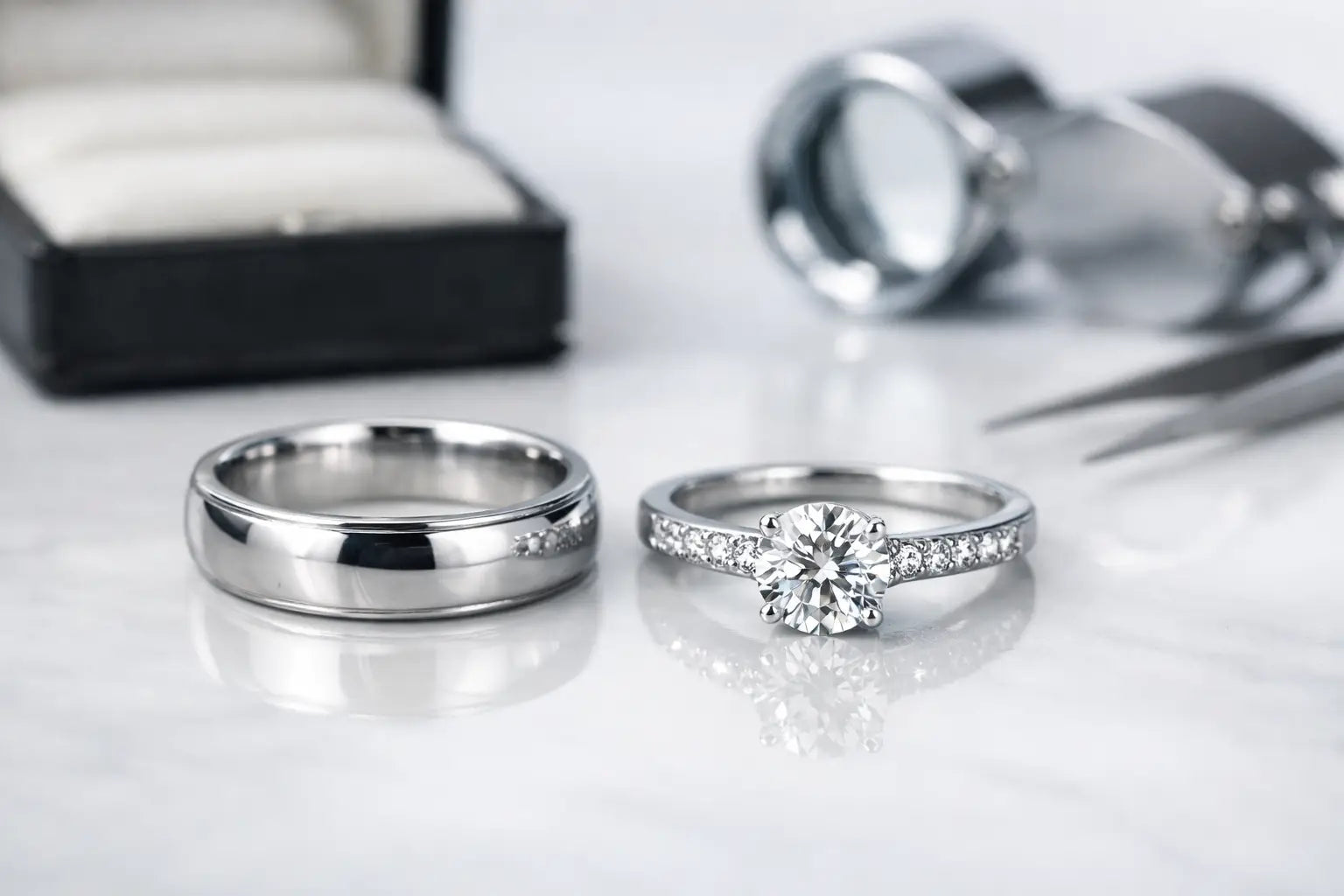
Platinum has long been associated with important stones, and not only because of prestige. Its cool white tone allows diamonds to take centre stage without introducing warmth from the metal itself. The effect is clean, balanced and refined.
In solitaire rings, halo settings and diamond wedding bands, platinum can offer a beautifully architectural feel. It frames the stone with confidence rather than distraction. For clients drawn to modern elegance or timeless minimalism, this pairing is hard to overlook.
There is also a practical benefit. Because platinum is so dependable in settings, it is often favoured for claws and detailed stone work. That does not mean gold cannot be used beautifully and securely, because it can. But platinum’s structural qualities make it especially well suited to rings designed around precious stones.
When gold may be the better choice
A thoughtful jewellery house will never suggest that platinum is always superior. Better depends on the ring, the wearer and the intention behind the piece.
Yellow gold offers warmth that platinum cannot replicate. On some skin tones, it looks richer and more expressive. It also carries a classic romance that feels deeply personal in wedding jewellery and heirloom-inspired designs. Rose gold brings softness and individuality, particularly for those who want something less traditional.
If you are selecting a ring as part of a wider jewellery wardrobe, gold may also integrate more naturally with the pieces you already wear every day. A platinum ring can absolutely mix with gold jewellery, and modern styling often encourages it, but some clients still prefer a harmonious metal palette.
There is also the question of weight. For a bold signet ring or a wide wedding band, platinum’s density creates a substantial feel that some adore and others find too heavy. Gold can offer a more effortless wear in larger silhouettes.
Which ring styles suit platinum best?
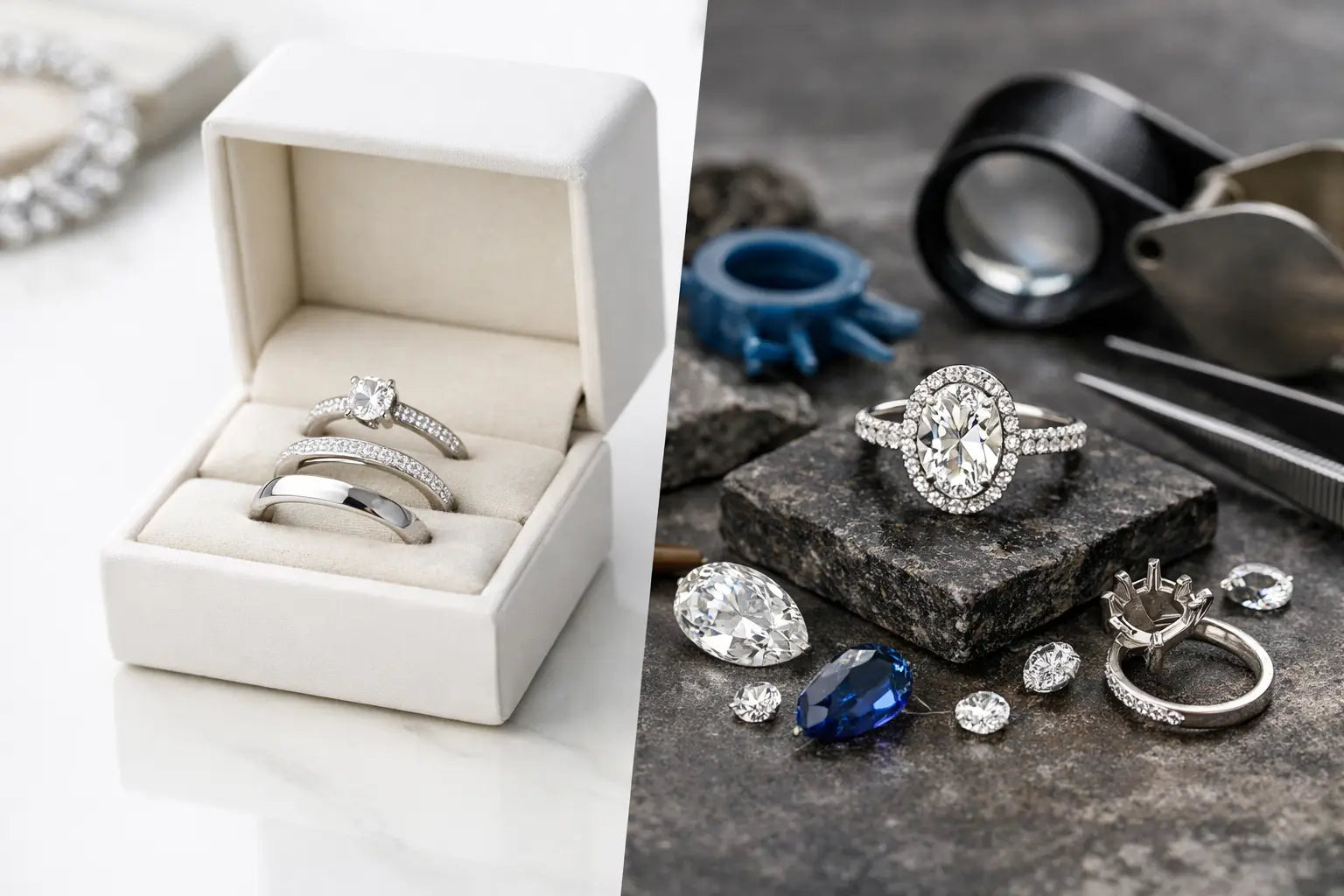
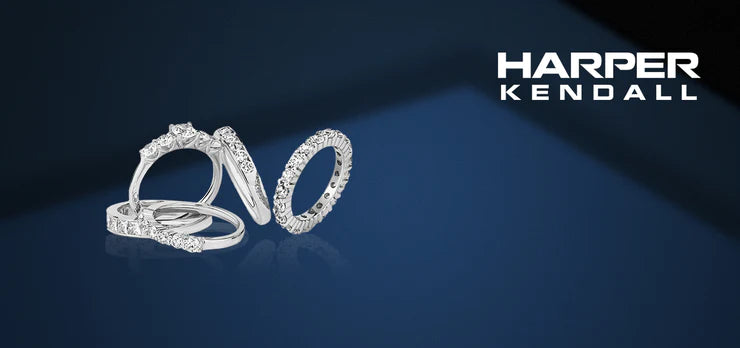
Platinum excels in rings designed for permanence. Engagement rings, wedding bands, eternity rings and bespoke diamond pieces are often where it feels most at home.
In clean, sculptural designs, platinum’s natural whiteness enhances precision. In vintage-inspired settings, it brings a sense of heritage and quiet grandeur. In modern bridal jewellery, it has a refined confidence that feels enduring rather than seasonal.
It is especially compelling for anyone who sees a ring as both a personal signature and a long-term investment in craftsmanship. At Harper Kendall, that perspective shapes many bespoke conversations, because the metal choice influences not only appearance but how a piece will age and be enjoyed over the years.
How to decide if platinum is right for you
Start with your lifestyle. If your ring will rarely leave your hand and you want a metal known for longevity, platinum deserves serious consideration. If you have sensitive skin, prefer naturally white metal, or are choosing a ring with important diamonds, its appeal becomes even stronger.
Then consider aesthetics. Do you love a cool-toned, polished look with subtle gravitas? Platinum may feel instinctively right. If you are drawn to warmth, contrast or a softer vintage glow, gold may be the more expressive option.
Finally, think about how you want the ring to age. Some people want their jewellery to tell its story visibly, developing character with wear. Others want to maintain a brighter, more freshly finished look. Luxury is not just what a ring is made from. It is how beautifully it aligns with the life and style of the person wearing it.
The real answer to is platinum better for rings
Platinum is often better for rings that are worn daily, set with diamonds, or expected to last for generations with strength and elegance intact. But the finest choice is not made on prestige alone. It is made on proportion, comfort, maintenance, colour and personal expression.
A beautiful ring should do more than endure. It should feel entirely like yours from the first fitting, and even more so years later when it has become part of your hand, your style and your story.